.png?width=162&height=64&name=IRWINS%20website%20logo%20(1).png "IRWINS website logo (1)")
by Irwin's Marketing Team, on Apr 6, 2026, 4:35:35 PM
Gas detection and monitoring systems are a critical component of industrial safety programs. In high-risk environments such as oil and gas, construction, mining, and confined spaces, the presence of hazardous gases can lead to serious incidents, regulatory violations, and operational downtime.
This guide explains how gas detection systems work, the types available, and how to implement them effectively to protect workers and maintain compliance in Canada.What Are Gas Detection and Monitoring Systems?
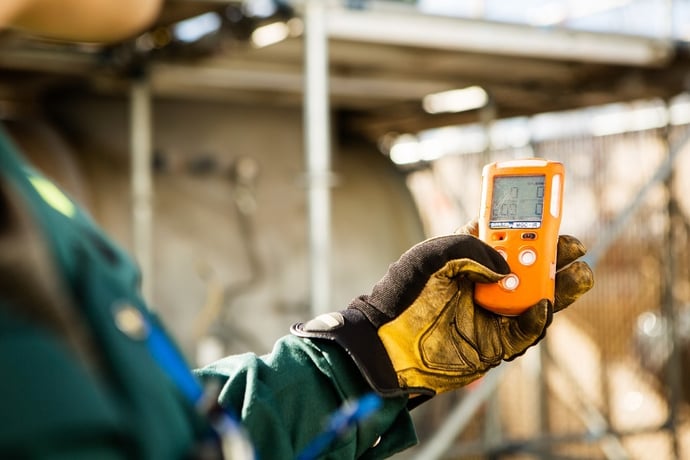
Gas detection and monitoring systems are devices or integrated solutions designed to identify the presence of hazardous gases in the air and alert workers before exposure becomes dangerous. These systems continuously measure gas concentrations and trigger alarms when levels exceed safe thresholds.
They are used to detect:
- Oxygen deficiency or enrichment
- Combustible gases (LEL monitoring)
- Toxic gases such as hydrogen sulfide (H₂S) and carbon monoxide (CO)
Why Gas Detection Is Critical for Workplace Safety
Industrial environments often involve confined spaces, heavy equipment, and chemical processes where gas hazards are not visible or detectable by smell. Without proper monitoring:
- Workers may be exposed to life-threatening conditions
- Explosions or fires can occur due to combustible gases
- Companies risk non-compliance with Canadian safety regulations
Gas detection systems provide real-time visibility and allow teams to take immediate action before conditions escalate.
Types of Gas Detection Systems
1. Portable Gas Detectors
Portable detectors are worn by workers or carried into hazardous environments. Best used for:
- Confined space entry
- Field work and inspections
- Temporary job sites
2. Fixed Gas Detection Systems
Fixed systems are installed in a specific location and continuously monitor air quality.
Best used for:
- Industrial facilities
- Processing plants
- Mechanical rooms
Key advantages:
- 24/7 monitoring
- Integration with alarm systems and ventilation
- Coverage of high-risk zones
3. Wireless and Connected Monitoring Systems
Modern systems use wireless technology to transmit real-time data to a central dashboard.
Best used for:
- Large or complex job sites
- Remote monitoring and supervision
- Multi-team coordination
Digital Confined Space Monitoring (DCSM)
Traditional confined space monitoring relies heavily on manual tracking, physical attendants, and limited visibility into what is happening inside the space. This creates gaps in communication, delayed response times, and increased exposure for workers.
Irwin’s Safety addresses these challenges through its Digital Confined Space Monitoring (DCSM) solution — a fully integrated, technology-driven system designed to improve control, visibility, and safety across confined space operations.
DCSM combines gas detection, access control, communication, and live monitoring into one centralized system. This allows teams to manage multiple confined spaces in real time, with fewer personnel exposed to risk.
Instead of relying only on manual observation, the system provides continuous data and remote oversight, enabling faster and more informed decision-making.
Key capabilities include:
- Continuous gas detection with real-time monitoring and alerts
- Remote monitoring of multiple confined spaces from a central station
- Controlled access using badge systems to track authorized entry
- Two-way communication between entrants and attendants
- Video surveillance for enhanced visibility inside and outside the space
Operationally, this translates into measurable improvements:
- Reduced manpower requirements and lower project costs
- Faster emergency response through immediate visibility and alerts
- Decreased worker exposure time in hazardous environments
- Improved incident investigation with recorded data and analytics
DCSM also supports compliance with Canadian confined space regulations, including requirements aligned with WorkSafeBC, by ensuring continuous atmospheric monitoring and documented control of entry and activity.
From a safety management perspective, the shift is significant. Instead of reacting to conditions, teams gain the ability to monitor, predict, and respond proactively. This reduces uncertainty and creates a more controlled operating environment, especially on complex or large-scale projects.
Digital confined space monitoring is not just an upgrade in equipment. It is a shift toward a fully connected safety system where data, communication, and response are aligned in real time.
-1.png?width=1696&height=1203&name=MicrosoftTeams-image%20(31)-1.png)

Key Gases Monitored in Industrial Environments
Understanding which gases to monitor depends on your operations and industry. Common gases include:
- Oxygen (O₂): detects deficiency or enrichment
- Hydrogen Sulfide (H₂S): highly toxic, common in oil and gas
- Carbon Monoxide (CO): produced by combustion equipment
- Methane (CH₄): flammable gas risk
- Volatile Organic Compounds (VOCs): chemical exposure risks
Each gas presents different hazards, requiring calibrated sensors and appropriate alarm thresholds.
Compliance and Regulations in Canada
In Canada, gas detection is governed by a combination of federal frameworks and provincial occupational health and safety legislation. While requirements vary by jurisdiction, the underlying expectation is consistent: employers must identify atmospheric hazards, assess the level of risk, and implement effective controls to protect workers.
In provinces such as WorkSafeBC in British Columbia or Occupational Health and Safety Act (Ontario) in Ontario, regulations specifically address atmospheric testing in confined spaces and hazardous environments. These rules require continuous monitoring where conditions can change, particularly in industries like construction, mining, and oil and gas.
From a compliance standpoint, organizations are expected to:
- Conduct documented hazard assessments before work begins
- Monitor for oxygen levels, combustible gases, and toxic exposures
- Maintain and calibrate detection equipment on a defined schedule
- Ensure workers are trained in both device usage and emergency response
Beyond regulatory bodies, exposure limits are guided by standards such as those from Canadian Centre for Occupational Health and Safety, which define acceptable concentration thresholds for various gases.
Non-compliance is not only a legal risk but an operational one. Inspections, project shutdowns, and liability exposure are common consequences. More critically, failure to meet these requirements increases the likelihood of incidents that can result in serious injury or fatality.
Effective compliance is not achieved through documentation alone. It depends on consistent execution in the field, supported by reliable monitoring systems and trained personnel.
Best Practices for Implementing Gas Detection Systems
A gas detection system should not be treated as a standalone piece of equipment. It needs to be part of how your site actually operates day to day.
Start with a clear understanding of your environment. Every site has different risks depending on processes, materials, and confined space exposure. Identify which gases are realistically present and where exposure is most likely to occur.
From there, choose a setup that reflects how work is performed. Portable monitors are critical for crews moving between tasks, while fixed systems make sense in areas with consistent risk. In many cases, a combination of both provides the most reliable coverage.
Equipment reliability is non-negotiable. Regular calibration and bump testing ensure detectors are functioning correctly when it matters. Without this, even the best system becomes a false sense of security.
Equally important is how workers use the equipment. Teams need to understand what the readings mean, how to respond to alarms, and when to stop work. This is where training and clear procedures make a measurable difference.
Finally, connect gas detection to your broader safety and emergency response plan. Monitoring should trigger action, not just alerts. When systems are aligned with response protocols, decisions can be made quickly and consistently under pressure.
A well-implemented system is not just about detecting gas. It is about creating a controlled, predictable response to risk.
The Role of Digital Monitoring in Modern Safety Programs
Modern gas detection systems are increasingly integrated with digital safety platforms.
This allows companies to:
- Automate incident reporting
- Track compliance in real time
- Reduce manual paperwork
- Improve audit readiness
Digital monitoring enhances both safety outcomes and operational efficiency.
Get Expert Support for Gas Detection and Monitoring
Implementing the right gas detection strategy requires more than just equipment. It requires expertise, planning, and ongoing support.
Irwin’s Safety provides:
- Hazard assessments and system recommendations
- On-site safety personnel and monitoring solutions
- Integration with digital safety platforms
- Training and compliance support
Get a professional consultation today to ensure your operations are fully protected.