-1.png?width=2000&height=1047&name=Irwins%20Safety%20Knowledge%20Hub%20(2100%20x%201100%20px)-1.png "Irwins Safety Knowledge Hub (2100 x 1100 px)-1")
Confined space safety focuses on identifying, assessing, and controlling hazards in environments that are not designed for continuous occupancy and have limited entry or exit. These spaces can present serious risks including oxygen deficiency, toxic atmospheres, engulfment hazards, and restricted movement. Confined spaces are common across industries such as mining, construction, oil and gas, manufacturing, and utilities. Without proper procedures, training, and rescue planning, incidents in confined spaces can escalate quickly and lead to severe injuries or fatalities. A structured confined space safety program ensures that workers understand hazards, follow safe entry procedures, and have access to properly trained rescue teams and equipment. It also helps organizations meet regulatory requirements and reduce operational risk. Organizations often rely on expert support to build or improve these programs. Through services such as Irwin's Safety Confined Space Consulting and Training, companies can implement safe work procedures, train personnel, and establish compliant confined space entry systems. This guide provides a complete overview of confined space safety, including regulations, hazard control, rescue planning, and program development.
A comprehensive confined space safety program includes multiple elements that work together to protect workers before, during, and after entry.
What Is a Confined Space
Confined Space Regulations in Canada
Confined Space vs Restricted Space
Hazard Identification in Confined Spaces
Risk Assessment for Confined Space Entry
Types of Confined Spaces by Industry
Roles and Responsibilities in Confined Space Work
Confined Space Entry Permits Explained
Legal Requirements for Employers and Workers
Common Confined Space Incidents and Causes
Confined Space Entry Procedures Step by Step
Atmospheric Testing and Gas Monitoring
Ventilation Requirements for Confined Spaces
Lockout Tagout for Confined Space Work
Isolation of Hazardous Energy
Personal Protective Equipment for Confined Spaces
Communication Systems During Entry
Working in Hazardous Atmospheres
Managing Engulfment and Entrapment Risks
Supervisor and Attendant Responsibilities
Each topic will be expanded into detailed resources to help organizations implement safe and compliant confined space programs.
Confined space safety requires more than procedures on paper. It involves trained personnel, proper equipment, and well-tested rescue plans to ensure safe operations. Irwin's Safety supports organizations with practical confined space safety solutions tailored to their operations and industry requirements.
Our services include:
Confined Space Program Development
Creation of site specific confined space entry programs aligned with regulatory requirements and operational risks.
Confined Space Training
Hands on and classroom training for workers, supervisors, attendants, and rescue teams.
Confined Space Rescue Services
Development and implementation of rescue procedures, including standby rescue teams and equipment programs.
Confined Space Hazard Assessments
Identification and evaluation of confined spaces and associated hazards within your operations.
Gas Detection and Monitoring Solutions
Support with equipment selection, calibration, and proper use of atmospheric monitoring systems.
Confined Space Audits and Compliance Reviews
Program evaluations to ensure compliance, effectiveness, and readiness.
Organizations operating in high risk environments often combine these services to build a complete confined space safety system that protects workers and reduces liability.
Confined space hazards exist in a wide range of industries, each requiring tailored procedures and response strategies.
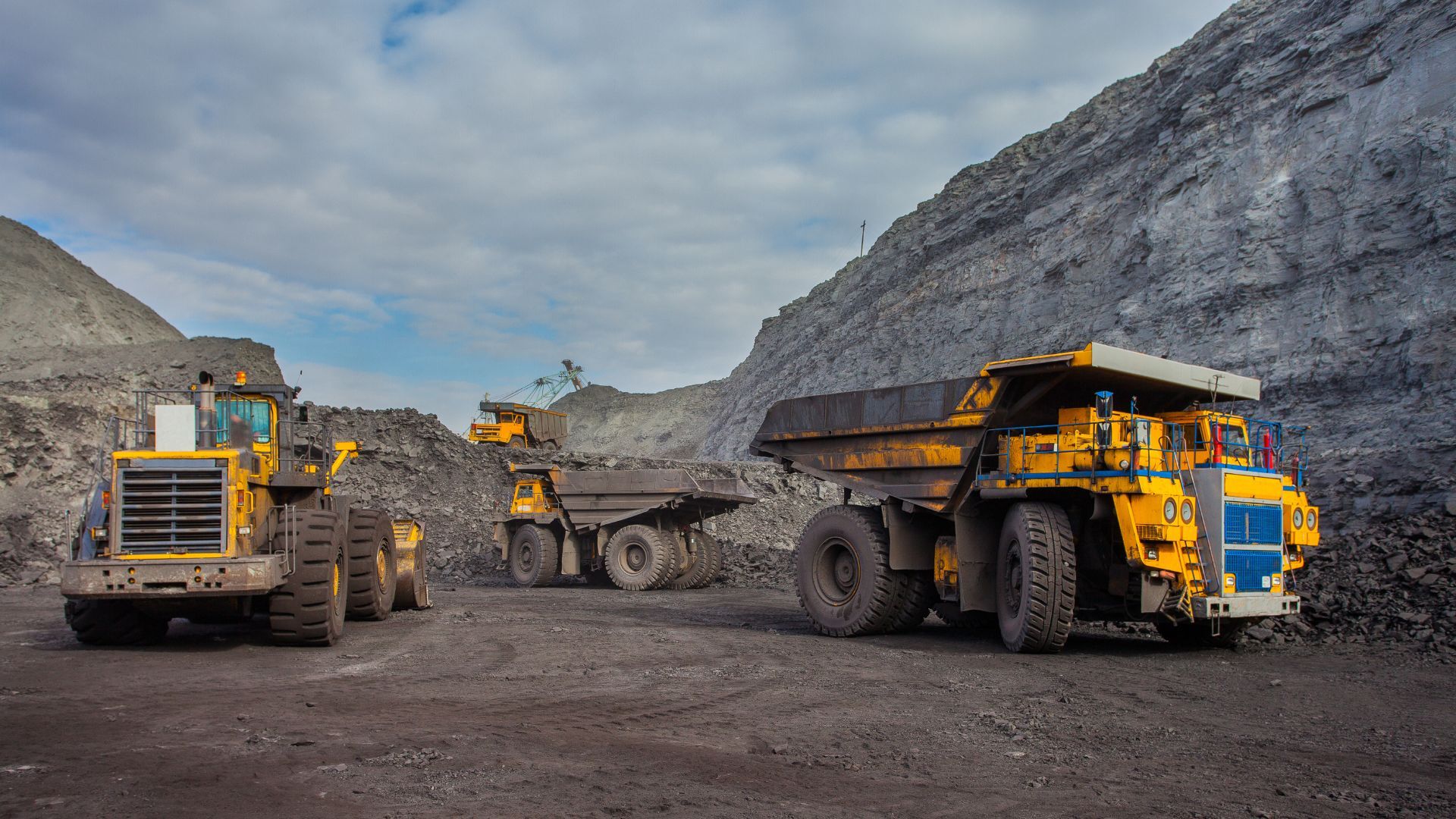
Underground and surface mining operations involve confined spaces such as shafts, tanks, and process areas where atmospheric hazards and limited access require specialized rescue planning and trained teams.
Visit Now →-2.jpg)
Confined spaces such as vessels, tanks, and pipelines present risks including toxic gases and flammable environments, requiring strict entry procedures and continuous monitoring.
Visit Now →-2.jpg)
Power plants and utility infrastructure include confined spaces such as boilers, vaults, and ducts that require strict safety protocols and emergency preparedness.
Visit Now →-2.jpg)
Maintenance areas such as tanks, containers, and storage units create confined space risks requiring structured entry programs and safety controls.
Visit Now →-2.jpg)
Processing facilities and storage systems contain confined spaces where dust, gases, and mechanical hazards must be controlled through proper entry procedures.
View Work →-2.jpg)
Confined spaces on construction sites include trenches, tanks, and utility spaces where changing site conditions demand clear procedures and trained supervision.
Visit Now →Confined space safety programs benefit from the experience of professionals who understand real operational risks and rescue challenges.
This guide is built on industry knowledge and will continue to expand with insights from confined space specialists who support organizations across Canada in developing safe entry programs, training teams, and implementing rescue systems.
To learn more about the expert contributing to this guide, visit the Author and Expert Profile Page.
Related Safety Resources
• Emergency Response Planning Guide
• Workplace Hazard Assessment Guide
• Industrial Safety Training Guide
• Emergency Response Team Development
A strong confined space safety program protects workers, ensures compliance, and reduces operational risk.
Whether you are developing a new program or improving an existing one, this guide provides a foundation for building safer confined space procedures within your organization.
If your organization requires support with confined space training, rescue planning, or program development, our specialists can help design solutions tailored to your operations.
No matter where you are - whether in Canada or worldwide, Irwin’s Safety is committed to keeping your workforce safe and your operations compliant.
.png?width=162&height=64&name=IRWINS%20website%20logo%20(1).png "IRWINS website logo (1)")